

We’d gather Tuesday through Thursday on the last week of the month. It was a sporadic group that had no clear direction, but everyone knew what needed to be done. Working on The Potrero View during the 1980s and early-1990s was a routine that had no end. Every month was different.
The three main architects were Ruth Passen, our acclaimed editor-in-chief, Vas Arnautoff, who’d design the layout and write the headlines, and Judy Baston, who did a lot of everything. During the month they’d gather the articles, type them up on our IBM Selectric typewriters. In that last week we’d cut them out and reassemble them onto boards for the printer.
It was a quiet commotion, the floor littered with scraps of paper, X-acto knives and glue sticks at the ready along with the steady clicking of typewriters and the “headliner”, a large tank of a machine that’d photograph the letters from a large wheel onto a strip of film. Bob Hayes would clean and ready the machine with new developer and fixer each month. We had typewriter erasers, wite-out, blue pencils, dictionaries, a backlit light table, and on Thursdays, pizza!


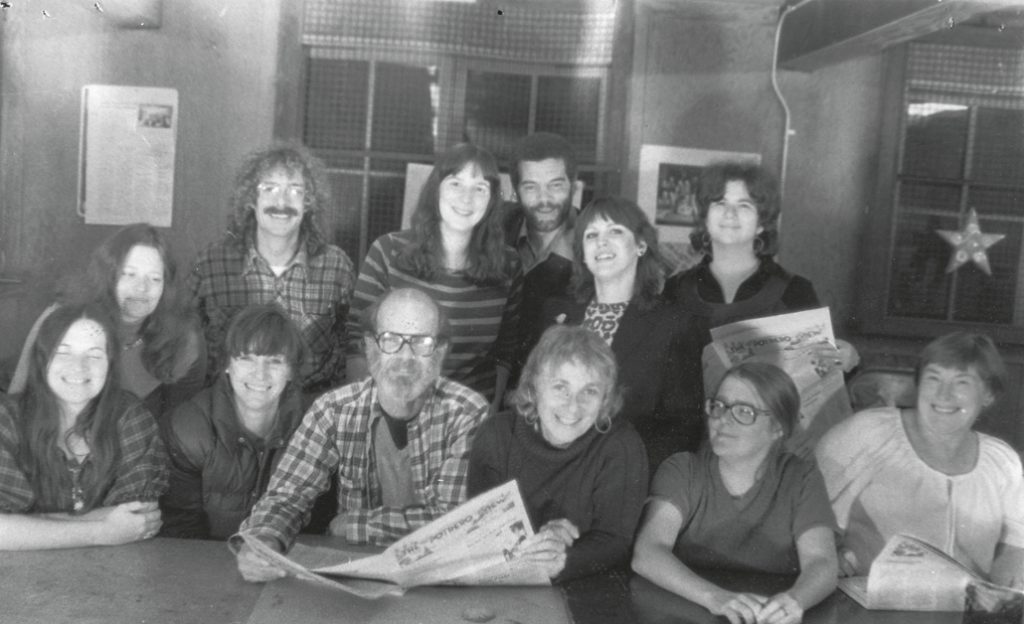
Lots of volunteers on Thursdays. Ruth would order two or three Goat Hill Pizzas with anchovies on the side. Those were the best times; everyone would talk politics and discuss the articles.
We were dinosaurs in a pre-computer landscape. In thinking of all the progress made in the publishing arts, why are newspapers slowly disappearing?
My nephew from Florida visited recently and laughed at me as I had my daily Chronicle laid out on the table.

“I haven’t seen anyone read a newspaper in years!”
What else would you read, I thought, as my nephew pulled out his phone and started scrolling, not really reading anything.
I have tried reading articles on my phone, but the ads just start appearing and taking over. Pop-ups at the top, a permanent ad at the bottom, ads embedded everywhere. Some wiggle, most repeat over and over, some flash. Don’t touch one because what you wanted to read will disappear.

Why is this better than a newspaper? The articles are stationary. You can turn the page without finishing a story. The ads don’t scream at you. You can even set your coffee cup on the paper without damage.
What’s the future of newspapers? I can’t predict with any certainty, but I think the future of newspapers is right here in your hands. Small papers like The Potrero View will continue to seek out news and information that gets ignored by larger dailies. Local citizens will spend time at meetings, which will not go away, and feel compelled to write something and disperse it to the greater community. Zoning issues and street changes only need to be read once a month anyway. Small community businesses will always trump larger enterprises. You’ll never meet your neighbors at the drive thru. Readers will feel a dearth of information and turn to small broadsheets just starting out and the cycle will begin anew.
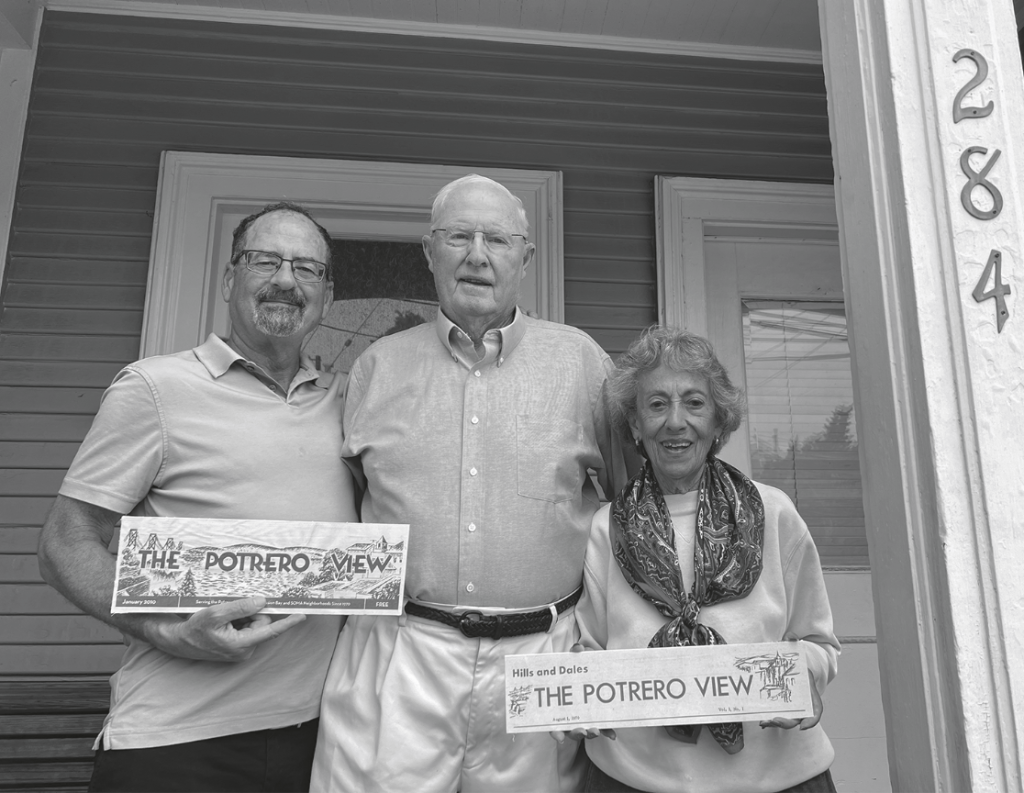
This article will be here tomorrow and all month long. It will sit on my coffee table until at least November. Try that with your Snapchat.
 Thomas Hunter II
  Jessica Zimmer